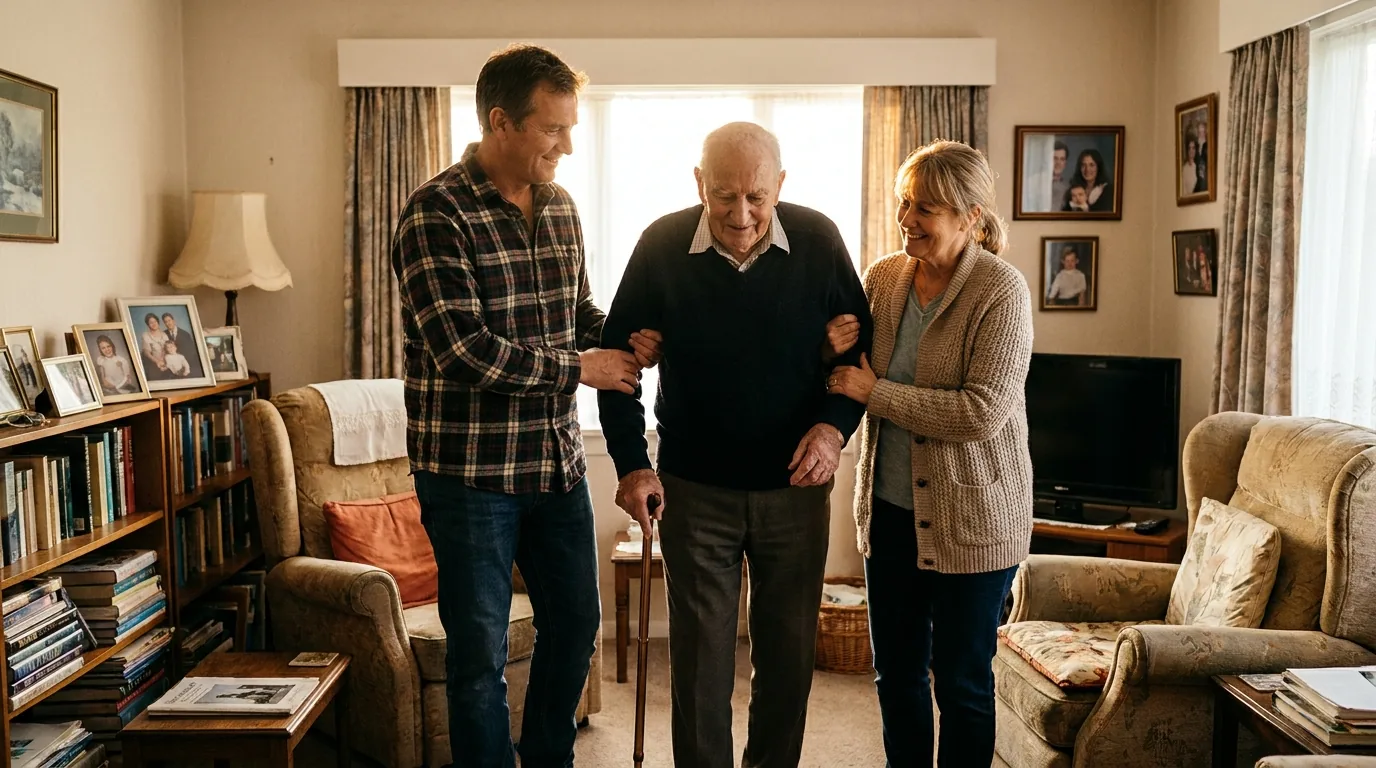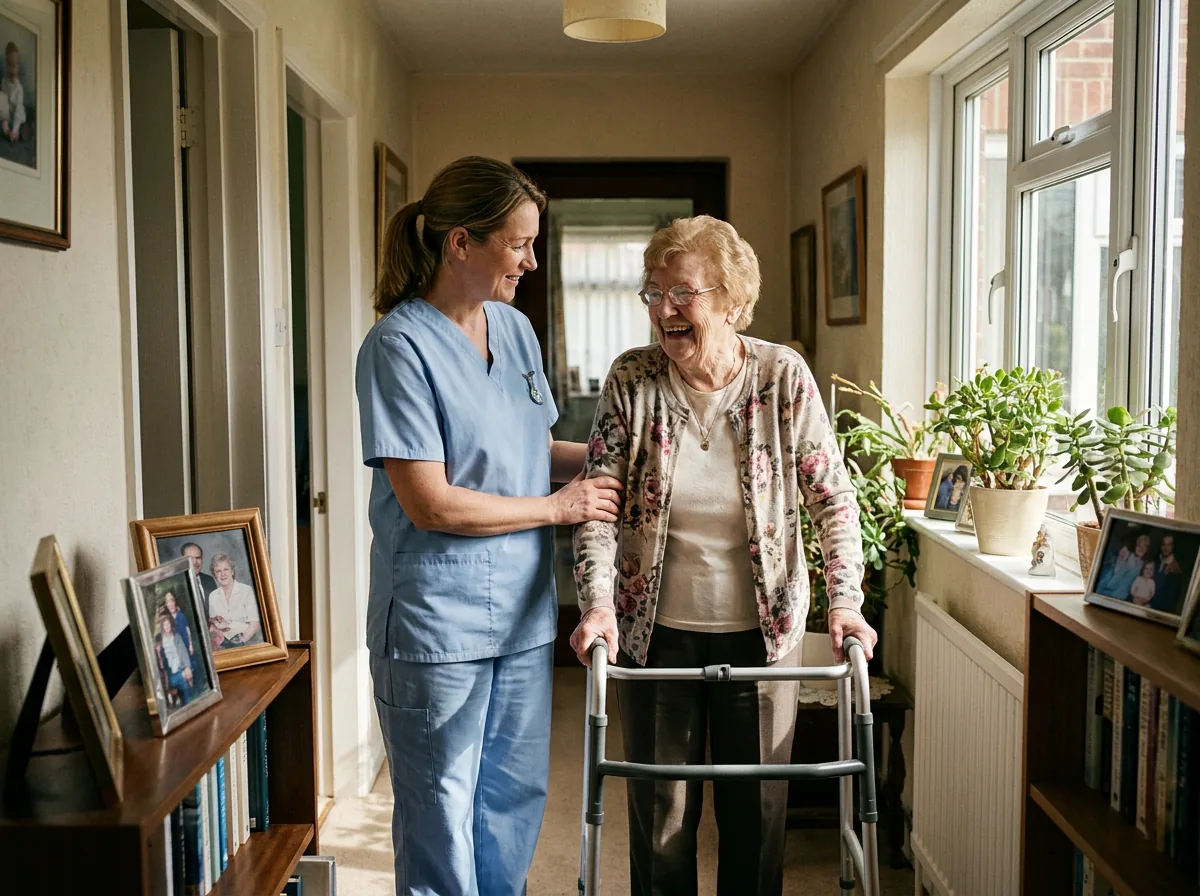
Home Help is specifically designed for people living in their own home — not a nursing home, adult foster care home, or assisted living facility. That has real implications during a transition.
Moving into assisted living
If your loved one moves into an assisted living facility, Home Help services generally stop, since the program is built around supporting independence in a private residence. Assisted living costs and services are handled through a different set of arrangements entirely.
Moving back home
If someone transitions out of assisted living or a nursing facility back into their own home — a fairly common pattern after a rehab stay, for example — Home Help can become relevant again, but generally requires a fresh assessment rather than an automatic resumption of prior approved hours.
Planning ahead for a transition
If a move in either direction seems likely soon, it's worth contacting your local MDHHS office proactively to understand timing, rather than waiting until the transition has already happened. See our county guides for how to find your local office.
Questions about a specific transition situation? Reach out directly and we'll help you think through it.